Loading...
The Healf Source
Want To Anti-Optimise Your Life? Here's How
The future of wellbeing? Simpler, clearer, back-to-basics. People are asking for clear-cut ways to move the needle on their wellbeing without 25-step routines, £1,000 supplement routines and expensive workout classes.
Written by: the Healf Editors
Written on: June 30, 2026
If the past few years were marked by biohacking and endless optimisation tools, the future of wellbeing looks a lot... simpler. Anti-optimisation has taken centre stage, and people are asking for clear-cut ways to move the needle on their wellbeing without 25-step routines, £1,000 supplement routines and expensive workout classes.
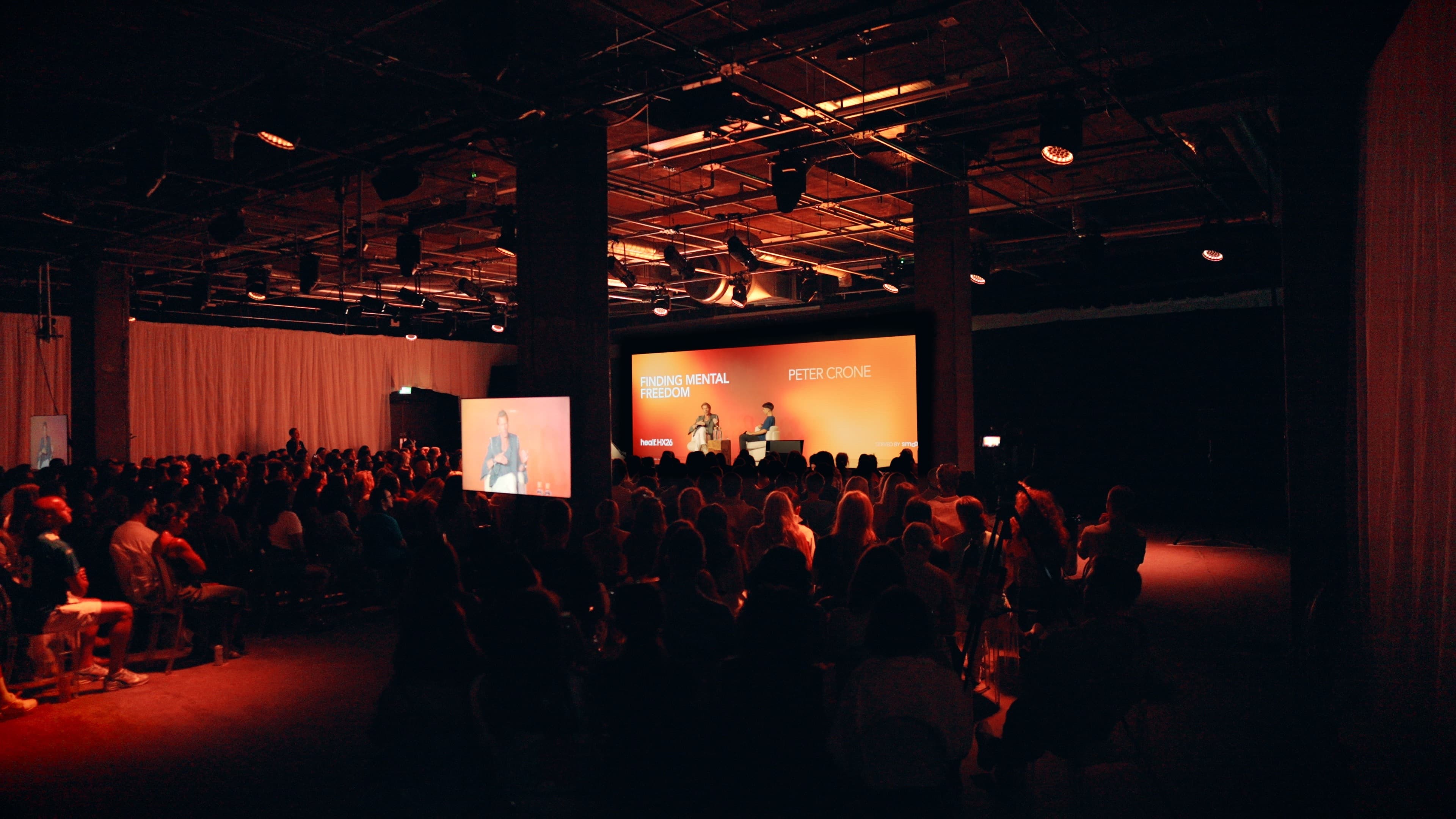
This year at HX26, almost every speaker, no matter their speciality, said that anti-optimisation is the way of the future, and circled back to Healf's four pillars — Eat, Move, Mind, Sleep — to reinforce the idea that the true foundations of wellbeing are found in knowing and trusting your own body, not in the scores and algorithms technology generates. This emphasis on analogue living was on full display in real time at HX26, as audience members took notes in notebooks instead of phones, opted for slow-release caffeine in matcha over coffee, and waited in queues to hear talks on prioritising mindset and intuition over hacks and results.
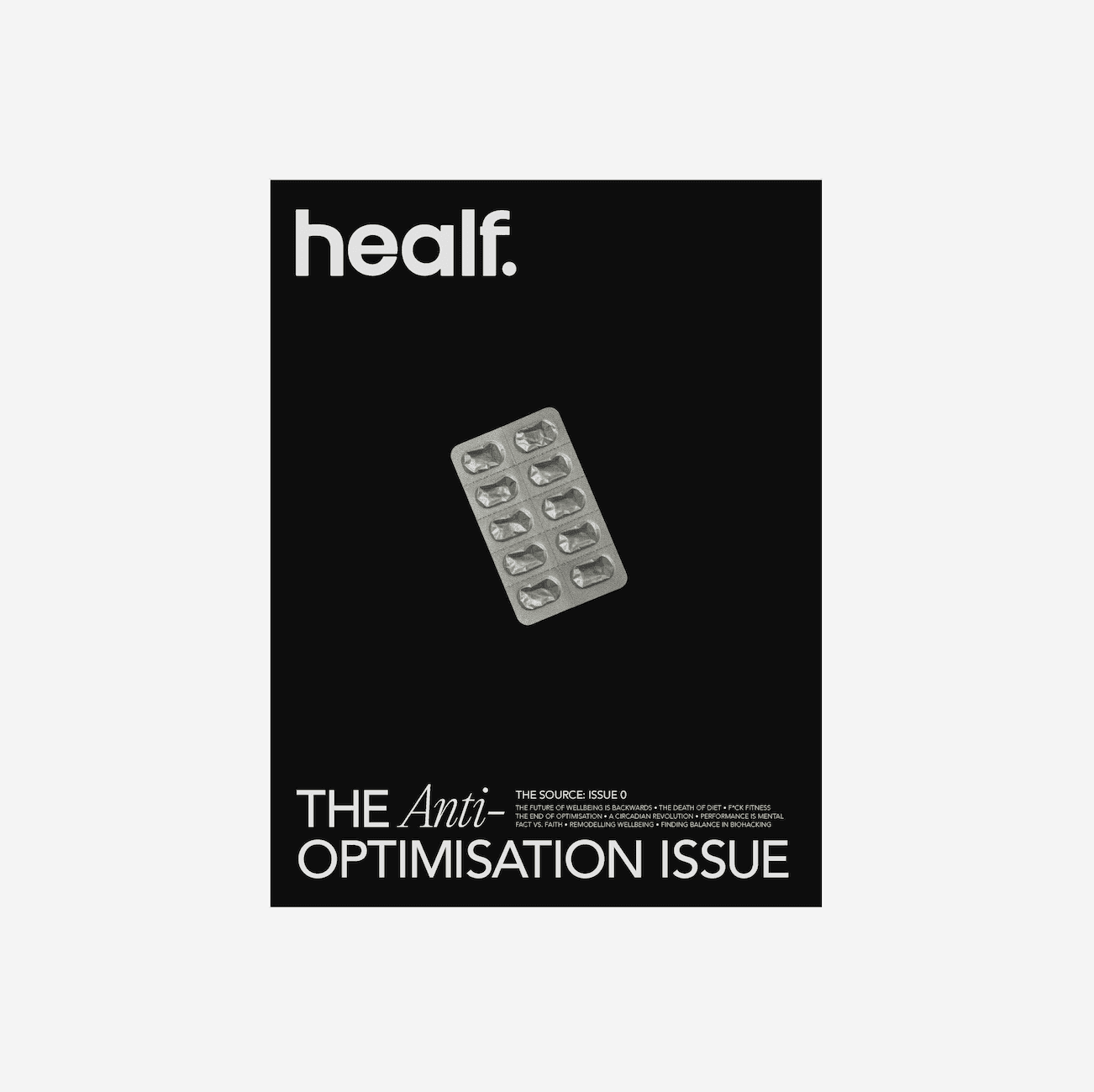
It was also a theme reflected in Healf's inaugural issue of The Source, a premium print magazine that explored all the ways we can lean into a simpler, more human-centric way of living. At a time when people are being bombarded with biohacks, optimisation protocols, conflicting health advice, and a seemingly endless pressure to reach perfection, The Source speaks directly to readers, tapping into wisdom alongside cutting-edge, modern technology.
It's not about being anti-science, but rather, pushing back against the anxiety of constant self-measurement — and reclaiming intuition over algorithm.
Want to anti-optimise your life? Here's how, according to some of the best experts in health and wellbeing.
Focus on the basics.
Quite literally, that means eating well, finding movement that feels good, nurturing your mind, and getting good sleep. “People are frequently willing to be distracted by the endlessly complex protocol, the 15-step morning routine, the supplement regimen, the biohack, the wearable," said Max Lugavere during one of his talks on the Main Stage at 180 Studios. "At the end of the day, I think health is a lot simpler. I think it comes down to the basics, but unfortunately the basics just don't sell well.”
The key here is focusing on the things that have moved the needle for thousands of years, those tried-and-true methods that our ancestors used to feel well. “We are coming entirely full circle, and we're getting back to the basics," added Gary Brecka, human biologist and founder of The Ultimate Human Wellness, during his Main Stage talk. "There's just no replacement for sunlight, for grounding, for [a] whole food diet, for community, for connection, of the understanding that faith is medicine, the community is medicine, connection is medicine.”
Go with your gut.
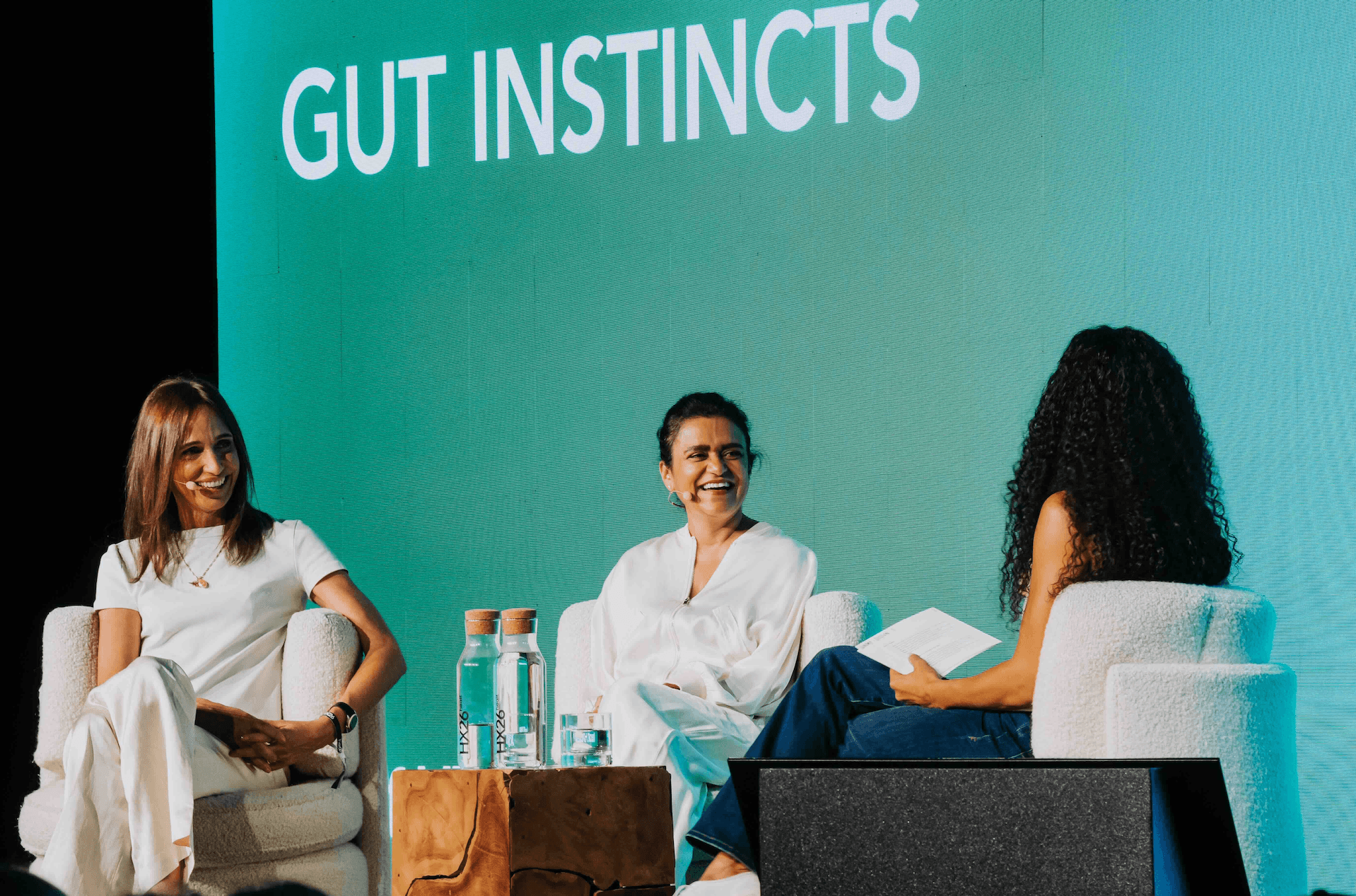
Your intuition plays a much bigger role in overall wellbeing than we tend to give credit. While data on sleep scores and exercise strain can certainly help guide us and show important patterns over time, there's no substitute for good, old-fashioned gut feelings. It's something Dr. Tara Swart comes back to again and again in her talks: intuition or "gut feelings" are real, physiological signals your brain receives. And we all would do well to listen to them. Our ancestors relied quite a lot on those gut signals, but in modern life, we seem to have left them by the wayside. "I really like to look back to ancient wisdom, because there are so many things that are not new things that we need to learn, but just things that we need to remember," she said.
Science bears this out, too, further reinforcing the idea that an algorithm does not always win over intuition. Studies suggest that if you wake up feeling fresh and strong, yet your wearable says your sleep appeared to be less robust, it could have a real impact on how you feel that day.
“Listen to yourself, know yourself," said Davinia Taylor, actress and biohacker.
Curate your own supplement stack.
The best supplements for biohacker Dave Asprey are not going to be the same "best supplements" for the world's most measured woman, biohacker Kayla Barnes-Lentz. And they certainly won't be the right ones for you.
The key here? Don't just take a supplement because your favourite podcast host tells you it's great. Your unique biology, lifestyle, and nutritional profile will tell you what you truly need, and then your supplementation can start to make a real difference. If you're filling gaps that aren't there, you're missing the point. “If you would stop supplementing for the sake of supplementing, and you would start supplementing for deficiency, you would see human beings truly thrive. That's when your supplements will make an impact," Brecka said in his talk.
The solution here is pretty simple: get curious about your own biology and what works best for you. “I think that we need more people being scientists of themselves," Huberman explained.
Go straight to the source.
Time and again, the experts kept referencing how important it was to truly understand where your wellbeing tools, supplements, and ingredients come from, emphasising quality over quantity. Investigating where your food comes from, for example, is not just a habit that supports your wellbeing with truly nourishing ingredients. It's also something that affects your life at the community and brain level, too. The same thing goes for supplements, as Brecka so aptly pointed out during his keynote address.
“I'll take a supplement label and I'll turn it around and first I'm looking for the quality of the ingredient, but then I'm actually looking for whether or not they understand the methylation side," he said.
Learn how to use wearables for good.
When it comes to our health, the boom in high-tech wearables has given all of us more information than ever, but that doesn't directly translate to true wellbeing. A common thread throughout HX26 panels and fireside chats was the idea that the most effective way to use wearables is to look at broad trends, not individual data points. Everyone has a bad night's sleep sometimes. Everyone has days where they won't meet their movement goals, have a lower HRV, or get too stressed. The best way to harness the power in these incredible devices is to focus on the big picture, and not get bogged down in the gamification and competition.
"I don't believe that we need to constantly be monitoring our numbers in every dimension," said Huberman. "I actually think that would run counter to my view of wellness."
Want more insights? You can watch the full HX26 talks on Healf's YouTube page, and get the biggest takeaways in our event recap.
This article is for informational purposes only, even if and regardless of whether it features the advice of physicians and medical practitioners. This article is not, nor is it intended to be, a substitute for professional medical advice, diagnosis, or treatment and should never be relied upon for specific medical advice. The views expressed in this article are the views of the expert and do not necessarily represent the views of Healf
Healf's editorial team works hard to produce science-backed, expert-vetted stories to break down trends and cut through the noise in the wellbeing ecosystem. Our team of writers and editors specialise in everything from nutrition, to exercise science, women's health, skincare, sleep, and more.